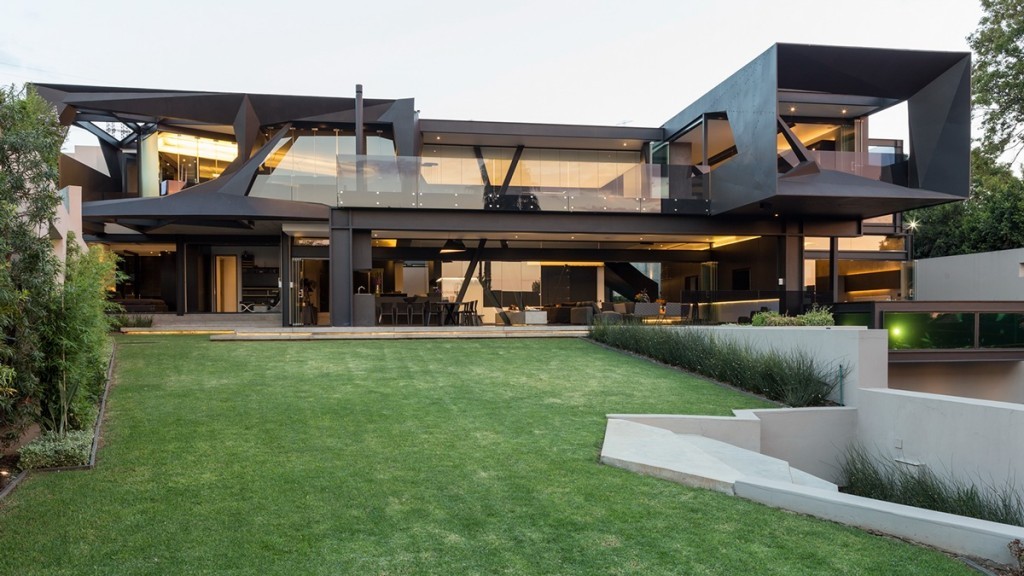
Ghana's Urban Planning Framework
Ghana's urban planning is governed by the Land Use and Spatial Planning Act 2016 (Act 925), which established the Land Use and Spatial Planning Authority (LUSPA). LUSPA oversees spatial planning at national, regional, and district levels, providing a more structured regulatory framework than many West African neighbours.
Comparison with Nigeria
Nigeria's urban planning is fragmented across 36 states and the FCT, with inconsistent regulations and enforcement. Ghana's more centralised approach, while not perfect, provides greater predictability for developers and investors. Building permit processing times in Accra average 3 to 6 months, compared to 6 to 18 months in Lagos.
Comparison with Ivory Coast
Abidjan has invested heavily in urban infrastructure in recent years, with ambitious master plans for the city's expansion. However, land tenure security in Ivory Coast remains a challenge for foreign investors, whereas Ghana's land registration system, while imperfect, is generally more transparent and accessible.
Ghana's Competitive Advantages for Urban Development
- English-language regulatory environment accessible to international investors
- Relatively stable political environment and rule of law
- Growing pool of qualified local architects, engineers, and planners
- Improving infrastructure in Accra, Kumasi, and Tema
- Active Ghana Real Estate Developers Association (GREDA) providing industry support
Architect Afrique's Urban Planning Services
Our urban planning and landscape architecture team provides master planning, urban design, environmental impact assessments, and planning application support for developments of all scales across Ghana. We have experience working with LUSPA, district assemblies, and international development agencies.