Step 1: Verify GIA Registration
All practising architects in Ghana must be registered with the Ghana Institute of Architects (GIA). Before engaging any architect, request their GIA registration number and verify it on the GIA website. Working with an unregistered practitioner exposes you to legal and financial risk.
Step 2: Review Their Portfolio
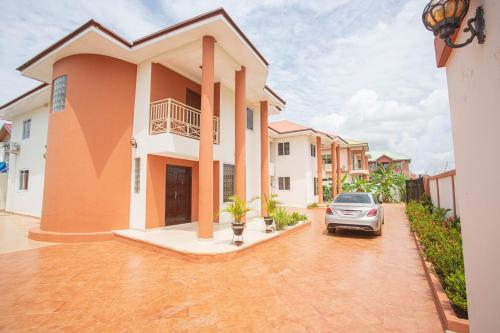
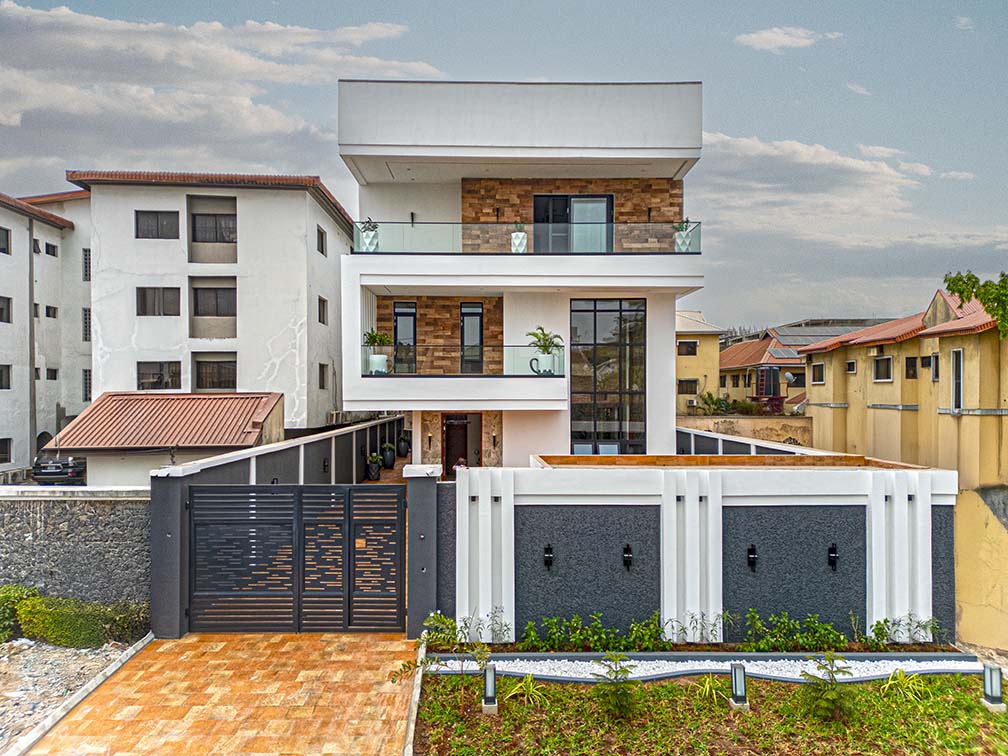
Ask to see completed projects similar to yours in scale, type, and budget. A residential architect may not be the best choice for a commercial development, and vice versa. Look for projects in similar locations to yours — an architect experienced in Accra's Airport Residential area will understand the local planning requirements better than one who has only worked in Kumasi.
Step 3: Check References
Speak directly with at least two or three past clients. Ask about the architect's communication style, whether they delivered on time and within budget, and how they handled unexpected challenges during construction.
Step 4: Understand the Fee Structure
Architectural fees in Ghana are typically calculated as a percentage of the total construction cost, ranging from 3% to 10% depending on project complexity. Some architects charge fixed fees for smaller projects. Always get a detailed, itemised fee proposal in writing before signing any agreement.
Step 5: Assess Communication and Compatibility
You will be working closely with your architect for months or even years. Ensure they listen to your ideas, explain technical concepts clearly, and respond promptly to your queries. Poor communication is the most common source of conflict between clients and architects in Ghana.
Red Flags to Avoid
- No GIA registration or reluctance to provide it
- No professional indemnity insurance
- Unusually low fees (often a sign of inexperience or corner-cutting)
- Inability to provide references from past clients
- Pressure to sign contracts quickly without time to review